
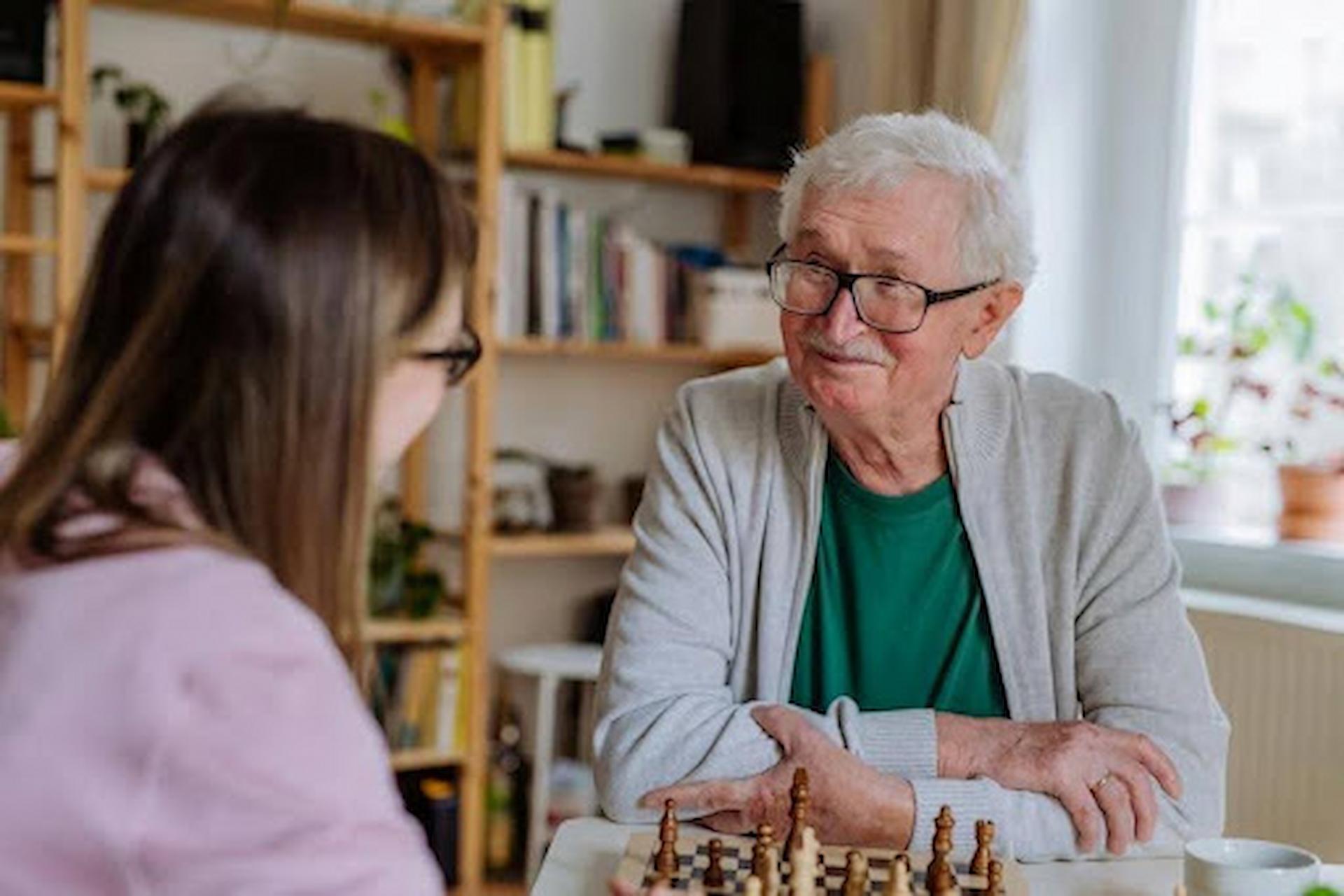
Memory loss is only one part of dementia—the real challenge lies in preserving identity, confidence, and daily independence. With the right care approach, individuals can stay mentally engaged and emotionally supported. Thoughtfully structured environments and personalised support systems play a crucial role in sustaining cognitive health and enhancing overall quality of life.
Dementia is more than memory loss—it affects thinking, behaviour, and the ability to carry out everyday activities. As the condition progresses, individuals often require structured, personalised support, which is why many families turn to specialist dementia care in Surrey to ensure their loved ones receive tailored, compassionate, and consistent care.
Unlike general care, specialist dementia care focuses on maintaining mental engagement, emotional stability, and overall quality of life. With trained professionals and carefully designed environments, it helps individuals navigate the challenges of dementia with greater comfort and confidence.
How Dementia Affects Thinking and Memory Over Time
Dementia is an umbrella term used to describe a range of neurological conditions, including Alzheimer’s disease. It impacts:
- Memory recall
- Communication skills
- Problem-solving ability
- Attention and focus
According to global health estimates, over 55 million people live with dementia worldwide, and this number is expected to rise significantly. While there is no cure, early and ongoing support can slow cognitive decline and improve day-to-day functioning.
Specialist care focuses on preserving what remains rather than highlighting what is lost.
How Specialist Dementia Care Supports Memory
Personalised Memory Stimulation
Every individual experiences dementia differently. Specialist care plans are designed around personal history, preferences, and cognitive ability. Activities may include:
- Memory-based conversations
- Familiar music and sensory cues
- Structured daily routines
These approaches help reinforce neural connections, which can support memory retention for longer periods.
Consistent Routine and Environment
Predictability plays a crucial role in cognitive stability. A structured routine reduces confusion and anxiety, allowing individuals to feel more secure.
Care environments are often designed with clear layouts, calming colours, and familiar settings to reduce disorientation. This consistency helps the brain process information more effectively.
Supporting Cognitive Function Through Engagement
Meaningful Activities
Cognitive health thrives on engagement. Specialist dementia care integrates activities that stimulate thinking without overwhelming the individual.
These may include:
- Light puzzles and problem-solving tasks
- Creative activities such as painting or crafts
- Gentle physical exercises that improve brain function
The goal is not complexity but consistency—keeping the mind active in a supportive way.
Social Interaction
Isolation can accelerate cognitive decline. Regular interaction with caregivers and peers helps maintain communication skills and emotional wellbeing.
Simple conversations, group activities, and shared experiences encourage individuals to stay mentally present and socially connected.
Emotional Wellbeing and Its Impact on Cognitive Health
Cognitive health is closely linked to emotional wellbeing. Anxiety, frustration, or confusion can worsen symptoms and reduce engagement.
Specialist care focuses on:
- Creating a calm and reassuring atmosphere
- Responding with patience and empathy
- Encouraging positive emotional experiences
When individuals feel safe and understood, they are more likely to participate in activities that support cognitive function.
In environments offering specialist dementia care in Surrey, emotional support is not separate from care—it is integrated into every interaction.
Nutrition and Physical Health in Dementia Care
Cognitive health does not exist in isolation. Physical wellbeing plays a key role in maintaining brain function.
Balanced Nutrition
A diet rich in essential nutrients supports brain health. Specialist care providers ensure meals are:
- Nutritious and easy to consume
- Tailored to individual dietary needs
- Served in a calm, supportive setting
Gentle Physical Activity
Movement improves blood flow to the brain and can enhance mood and cognitive performance. Activities are adapted to suit each individual’s ability, ensuring safety while encouraging participation.
Creating a Safe and Supportive Environment
A well-designed care setting can significantly influence cognitive health.
Familiarity and Orientation
Features such as clear signage, memory aids, and personalised spaces help individuals remain oriented. Recognisable surroundings reduce confusion and promote independence.
Safety Without Restriction
Specialist care balances safety with autonomy. Rather than limiting movement, environments are adapted to allow safe exploration, supporting both physical and mental wellbeing.
Practical Ways Specialist Care Enhances Daily Life
For families and caregivers, understanding the benefits of specialist dementia care can offer reassurance and clarity. Here are key takeaways:
- Encourages mental stimulation through tailored activities
- Reduces anxiety with structured routines
- Promotes social interaction and communication
- Supports emotional wellbeing alongside physical health
- Creates a safe, familiar, and engaging environment
These elements work together to maintain cognitive function and improve overall quality of life.
The Role of Trained Care Professionals
Specialist dementia care relies heavily on skilled professionals who understand the condition in depth. Their training enables them to:
- Recognise subtle changes in behaviour
- Adapt communication techniques
- Provide compassionate, person-centred support
Their approach is proactive rather than reactive, focusing on maintaining abilities rather than simply managing symptoms.
This level of expertise is a defining feature of specialist dementia care in Surrey, where care is guided by both clinical understanding and human empathy.
Frequently Asked Questions
What is specialist dementia care?
Specialist dementia care is a tailored approach designed specifically for individuals with dementia. It focuses on cognitive stimulation, emotional support, and structured routines. Unlike general care, it adapts to each person’s needs, helping maintain memory, communication skills, and overall wellbeing in a safe and supportive environment.
How does dementia care improve memory?
Dementia care supports memory through consistent routines, personalised activities, and familiar environments. These strategies help reinforce neural pathways and reduce confusion. While it may not restore lost memory, it can slow decline and improve day-to-day recall and cognitive engagement over time.
Why is routine important in dementia care?
Routine provides stability and reduces anxiety for individuals with dementia. Predictable daily patterns help the brain process information more easily. This consistency supports orientation, improves confidence, and allows individuals to engage more effectively with their surroundings and activities.
Can social interaction help cognitive health?
Social interaction plays a vital role in maintaining cognitive health. Regular communication encourages mental engagement, supports language skills, and reduces feelings of isolation. Even simple conversations can stimulate the brain and contribute to emotional wellbeing.
What role does the environment play in dementia care?
The environment significantly impacts how individuals with dementia function. A calm, familiar, and well-organised space reduces confusion and promotes independence. Features like clear layouts and personalised items help individuals feel more secure and oriented.
Conclusion
Dementia care is not just about support—it is about preserving identity, dignity, and connection. Specialist care approaches focus on maintaining memory and cognitive health through structured routines, meaningful engagement, and emotional understanding.
By creating environments that are safe, familiar, and stimulating, individuals can continue to experience a sense of purpose and belonging. Investing in specialist dementia care in Surrey ensures that care goes beyond the basics, offering a thoughtful and holistic approach to cognitive wellbeing.
 Grace Willson