
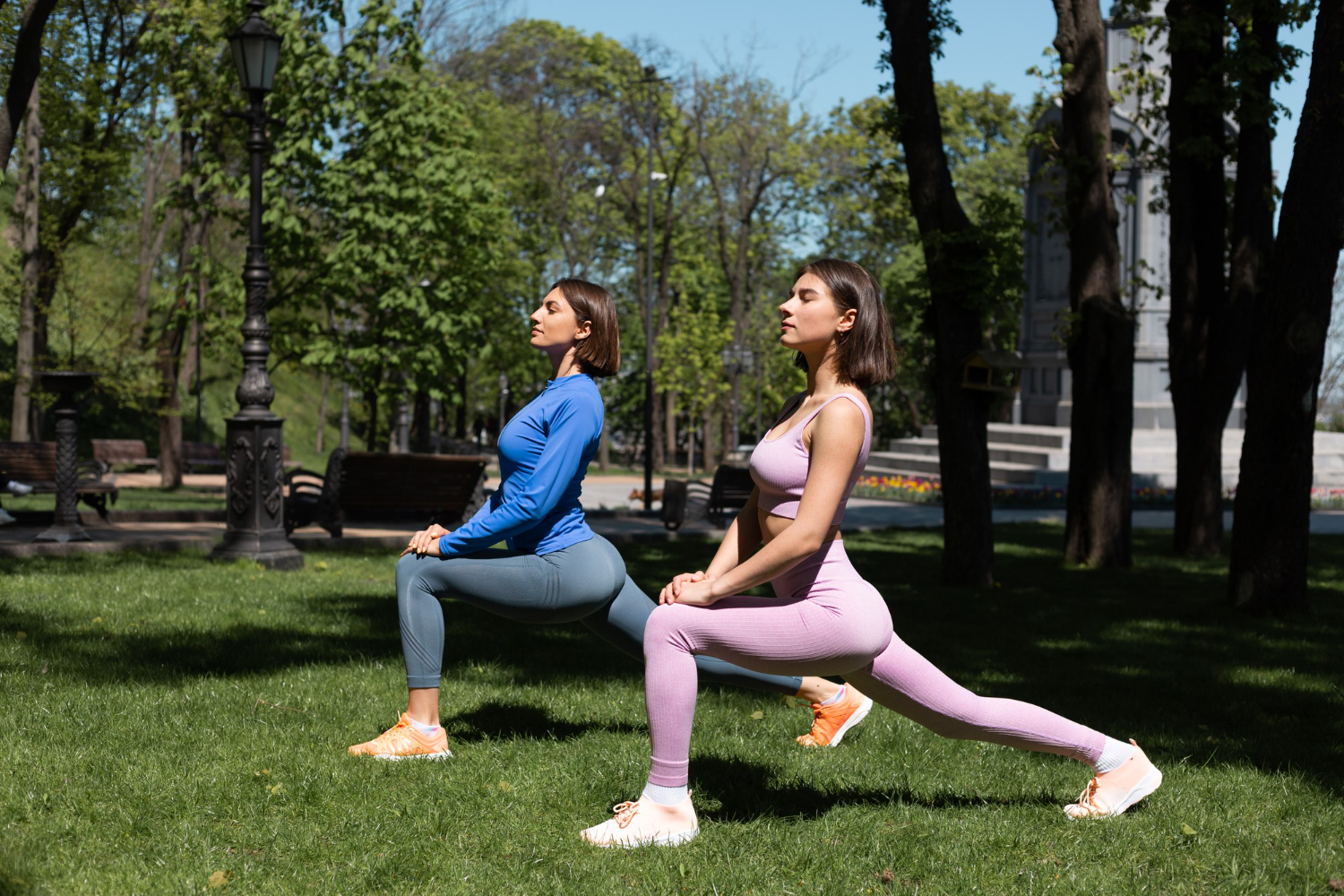
Staying fit does not always mean spending hours in the gym or following a difficult workout plan. Simple exercises can also help you stay active, improve your strength, and support your overall health. The important thing is to choose exercises that are easy to include in your daily routine and that you can continue doing regularly. Even a short workout can make a difference when it becomes part of your everyday lifestyle.
Regular movement can also help you feel more energetic during the day. Exercises such as squats, push-ups, lunges, planks, and jumping jacks work different parts of the body while keeping your routine simple. You can do many of these exercises at home without special equipment. Whether you are a beginner or already exercise regularly, these movements can be adjusted to match your fitness level. Here are five useful exercises that can help you stay fit and active every day.
Squats
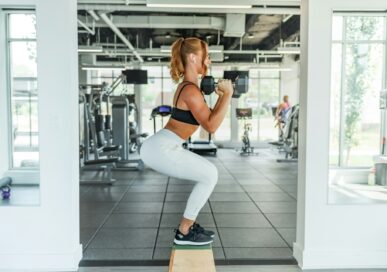
Squats are a simple exercise that mainly works the legs, hips, and lower body. They are also useful for everyday movements such as sitting down, standing up, and climbing stairs. You do not need any equipment to perform a basic squat, which makes it a convenient exercise for home workouts. Start by standing with your feet about shoulder-width apart. Slowly bend your knees and lower your hips while keeping your back comfortable and your chest lifted. Then push through your feet to return to the standing position.
Builds Lower-Body Strength: Regular squats can help strengthen the thighs, hips, and muscles around the legs. Stronger lower-body muscles can make everyday movements feel easier and more comfortable.
Easy to Add to Your Routine: You can do a few squats during a short home workout or include them in a longer exercise session. Beginners can start with a small number of repetitions and gradually increase them.
Push-Ups
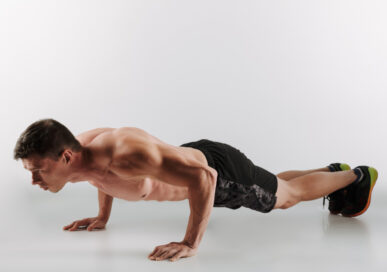
Push-ups are a popular bodyweight exercise that works the upper body and core. They mainly target the chest, shoulders, and arms while also requiring your body to stay stable. A standard push-up starts with your hands on the floor and your body in a straight position. You then bend your elbows to lower your body and push back up. If a standard push-up feels difficult, you can begin with a modified version, such as a knee push-up.
Supports Upper-Body Strength: Push-ups can help strengthen the chest, shoulders, and arms. Doing them regularly can make other activities that require upper-body strength easier.
No Gym Equipment Needed: One of the main benefits of push-ups is that they can be done almost anywhere with enough floor space. You can include a few repetitions in a home workout without needing weights or machines.
Lunges
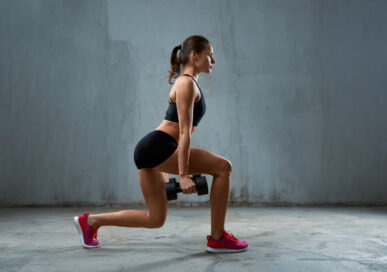
Lunges are another useful exercise for building strength in the legs and improving balance. They involve moving one leg forward while bending both knees and then returning to the starting position. You can perform lunges slowly and with control, which is particularly helpful when you are learning the movement. Once you become more comfortable, you can increase the number of repetitions or try different lunge variations.
Works Each Leg: Unlike some exercises where both legs work in the same position, lunges allow you to focus on one leg at a time. This can help build strength and control in the lower body.
Helps With Balance: Lunges require you to control your body while changing position. Practising them regularly can support better balance and body control, especially when performed slowly and correctly.
Plank
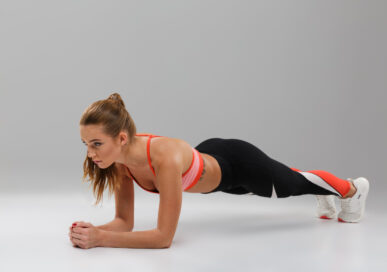
The plank is a simple exercise that focuses strongly on the core. It involves holding your body in a stable position rather than repeatedly moving up and down. To perform a basic plank, place your forearms or hands on the floor and keep your body in a straight line from your shoulders towards your feet. Keep your stomach muscles engaged and avoid letting your hips drop too low or rise too high. Beginners can hold the position for a short period and slowly build up their time.
Strengthens the Core: A strong core supports many everyday movements and helps keep your body stable during different activities. Planks can work several muscles around the stomach and middle of the body.
Simple but Effective: You do not need equipment or a large space to perform a plank. Even a short hold can be included in a quick daily exercise routine, making it suitable for people with busy schedules.
Jumping Jacks
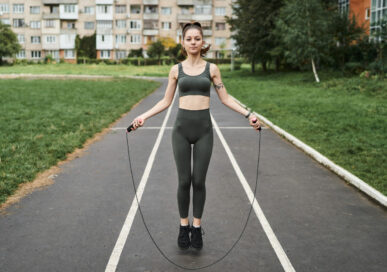
Jumping jacks are a simple full-body movement that can quickly increase your heart rate. They involve jumping while moving your arms and legs outwards and then returning them to the starting position. They can be useful at the beginning of a workout as a warm-up or as part of a short cardio session. If jumping feels uncomfortable, you can perform a low-impact version by stepping one foot out at a time instead.
Supports Cardio Fitness: Jumping jacks are an easy way to add more movement to your routine. They can get your heart beating faster and make a short workout feel more active.
Easy to Do Anywhere: You only need a small amount of open space to perform jumping jacks. They can be done at home, outdoors, or as part of a simple exercise break during the day.
Frequently Asked Questions
Can I do these exercises every day?
Many people can include light versions of these exercises regularly, but your routine should match your fitness level. Allow your body enough recovery time if you feel tired or sore, and avoid exercising through significant pain.
How long should I exercise each day?
The right amount depends on your fitness level, routine, and health needs. Even a short session can be useful when done consistently. You can gradually increase your exercise time as you become more comfortable.
Are these exercises suitable for beginners?
Yes, these exercises can generally be adapted for beginners. Start slowly, focus on correct movement, and use easier versions when needed. Gradually increase repetitions or exercise time instead of doing too much at once.
Do I need gym equipment for these exercises?
No. Squats, push-ups, lunges, planks, and jumping jacks are mainly bodyweight exercises. This means you can perform them at home without expensive gym equipment.
Which exercise should I start with?
Start with an exercise that feels comfortable and easy to understand. You could begin with a small number of squats, modified push-ups, lunges, a short plank, and low-impact jumping jacks, then gradually build your routine.
Conclusion
Staying fit and active does not have to be complicated. Simple exercises can be a useful part of your everyday routine when you perform them regularly and choose movements that suit your current fitness level. Squats can support lower-body strength, push-ups can work the upper body, lunges can help with balance and leg strength, planks can strengthen the core, and jumping jacks can add more cardio movement to your day.
The most important thing is to make exercise a regular habit rather than trying to do too much in one session. You can start with a few minutes and slowly increase your repetitions or workout time as you become more comfortable. Along with regular movement, a balanced diet, enough rest, and good daily habits can also support a healthy lifestyle. With simple exercises and consistency, staying active can become an easy and enjoyable part of your everyday life.