
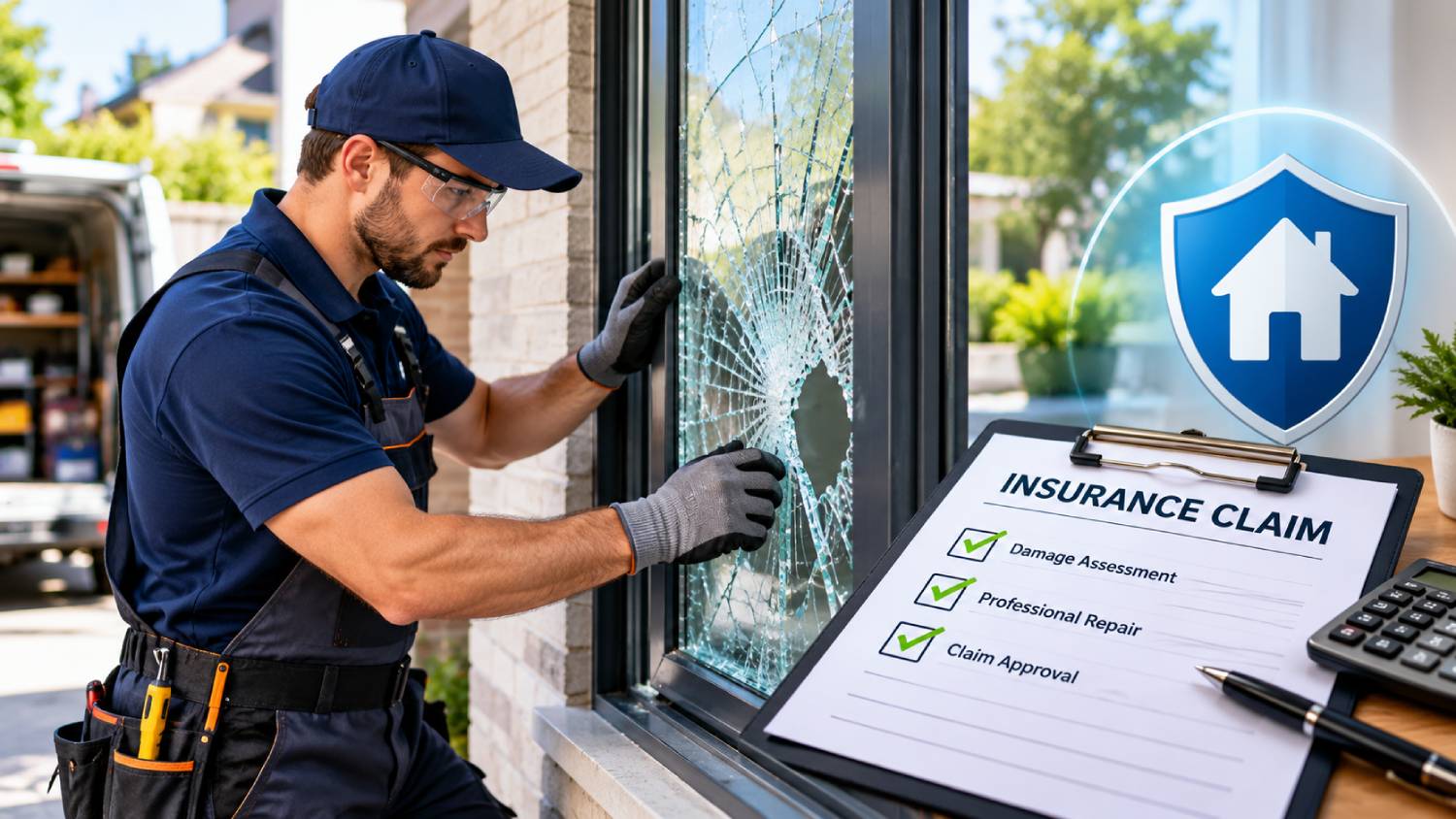
Broken glass from a storm, accident or break-in creates more than just a security risk. It also starts a process that many homeowners and businesses find stressful: notifying the insurer, gathering evidence and arranging repairs that satisfy the policy conditions. Getting the right help at the outset makes a noticeable difference to how smoothly that process runs.
When glass is damaged, speed and professionalism matter. Choosing emergency glazier professionals who understand both the practical repair work and the expectations of insurance assessors can reduce delays, limit further damage and produce the kind of clear records that claims handlers need.
The Immediate Risks of Damaged Glazing
A cracked or shattered window leaves a property exposed to weather, theft and further deterioration. Rain can enter, frames can swell, and temporary fixes that are poorly done may create additional problems later. Insurers typically expect policyholders to take reasonable steps to protect the property after an incident. Delaying or using unsuitable temporary measures can complicate the claim and, in some cases, affect the outcome.
Professional glaziers who specialise in emergency work arrive prepared to make the property safe quickly. They assess whether the glass can be repaired on the spot, whether boarding is required, or whether a full replacement is the better option. This assessment forms the first useful piece of documentation for the claim.
How Professional Response Supports the Claims Process
Insurance claims rely on clear evidence of what happened, the extent of the damage and the steps taken to limit further loss. Emergency glaziers who work regularly with damaged glazing understand this. They can provide photographs of the damage before work begins, describe the condition of the frame and surrounding structure, and note whether the breakage appears consistent with weather, impact or forced entry.
Many policies require the policyholder to prevent additional damage where reasonably possible. A prompt, professional boarding-up service meets that expectation. Temporary boards that are fitted correctly keep the property secure and weather-tight while a permanent replacement is arranged. This reduces the chance of secondary damage claims and shows the insurer that the situation was managed responsibly.
When the permanent repair or replacement is carried out, the work itself needs to meet accepted standards. Insurers often prefer repairs that restore the original specification, particularly with double-glazed units. Using the correct glass type, seals and fittings helps ensure the repair is accepted without further inspection or dispute.
Practical Steps That Make Claims Easier
A few practical actions at the time of the incident can make the claims process more straightforward:
- Contact the insurer promptly and follow their reporting instructions.
- Arrange for a qualified glazier to attend as soon as possible so the property is secured.
- Ask for clear photographs of the damage before any boarding or repair begins.
- Keep records of any temporary measures taken and the reasons for them.
- Ensure the final repair uses materials and methods consistent with the original installation where possible.
- Request a written summary or invoice that details the work carried out.
These steps create a clear timeline and evidence trail. Assessors can see that the damage was addressed without delay and that reasonable precautions were taken.
Common Issues That Delay Claims
Several recurring problems slow down glass-related claims. Incomplete or unclear photographs make it harder for the insurer to understand the extent of the damage. Temporary boarding that is inadequate or incorrectly fitted can lead to further weather damage, which then becomes a separate point of discussion. Using non-matching glass or poor-quality seals may result in the repair being rejected or only partially covered.
Another frequent difficulty arises when the cause of the breakage is unclear. Professional glaziers can often identify whether the damage is consistent with impact, thermal stress or attempted entry. Their observations, when recorded accurately, help the insurer assess the claim against the policy wording.
In some cases the frame itself may be damaged or the surrounding structure compromised. An experienced glazier will note these issues early so they can be included in the claim rather than discovered later during a permanent repair.
When Professional Advice Is Particularly Useful
Not every broken pane requires an emergency response, but certain situations benefit strongly from specialist input. Large commercial shopfronts, multi-storey properties, or units that form part of a safety-critical system need careful handling. The same applies when the damage involves security glass, specialised coatings or complex sealed units.
If the policyholder is unsure whether the damage is covered, or if the insurer requests a formal report, a clear written account from the attending glazier can save time. It is also useful when the temporary repair needs to last longer than a few days while a permanent unit is manufactured.
Homeowners and business owners should check their policy wording for any specific requirements about approved contractors or notification time limits. Following those conditions from the start reduces the risk of later complications.
FAQs
Q.1 Why does the speed of response matter for an insurance claim?
Ans: Insurers expect policyholders to take reasonable steps to protect the property after damage occurs. A fast professional response limits further weather or security problems and demonstrates that the situation was managed promptly, which supports a smoother claim assessment.
Q.2 What information should be recorded when glass is damaged?
Ans: Clear photographs of the breakage before any work begins, a description of the glass type and frame condition, and notes on the likely cause of the damage are all useful. A written record of temporary measures taken also helps create a clear timeline for the insurer.
Q.3 Can temporary boarding affect a claim?
Ans: Properly fitted boarding that keeps the property secure and weather-tight usually supports the claim by preventing secondary damage. Poorly fitted or inadequate temporary measures can allow further deterioration, which may complicate the assessment.
Q.4 Do insurers prefer certain types of glass repair?
Ans: Most policies aim to restore the property to its previous condition. Using glass and seals that match the original specification, and ensuring the work meets accepted trade standards, reduces the chance of the repair being questioned or only partially covered.
Q.5 When is it worth seeking specialist advice beyond a simple repair?
Ans: Specialist input is particularly helpful with commercial frontages, safety glass, complex sealed units, or situations where the frame or surrounding structure is also damaged. Early professional assessment can identify issues that need to be included in the claim from the outset.
Wrapping Up
Damaged glazing creates both an immediate practical problem and an administrative process that needs careful handling. Professional emergency glaziers who respond quickly, secure the property properly and document the work help keep the claims process clear and efficient. Their records of the damage, the temporary measures taken and the permanent repair provide the kind of evidence insurers require.
The most useful approach is to act promptly, keep clear records and ensure any temporary or permanent work meets a professional standard. Doing so protects the property and gives the claim the best chance of progressing without unnecessary delay or dispute.
 Max Parker